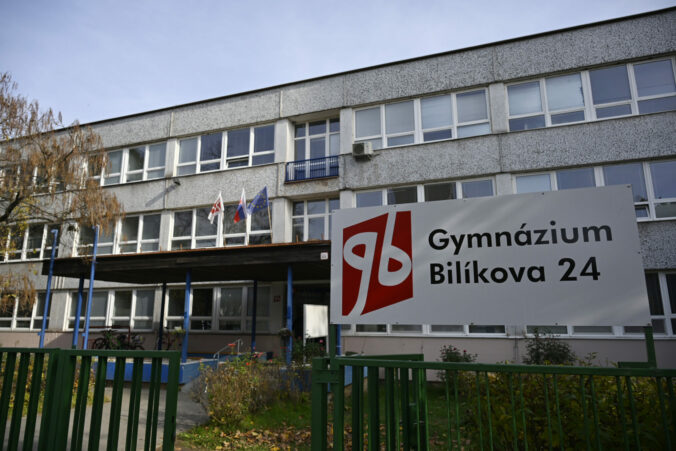
A mediados de marzo, 2 docentes de nuestro instituto, Ana Julia Gavilán y María Luisa Aparicio de las disciplinas de filosofía e inglés respectivamente, realizaron un job shadowing (aprendizaje por observación) en el instituto Bilicova de Bratislava, en el marco del programa ERASMUS+. Recientemente, hemos comentado con ellas como ha sido su experiencia:
¿En qué consiste un job shadowing?
Consiste en una movilidad en la que docentes visitan centros escolares de otros países para observar el desarrollo y funcionamiento de las clases y de los centros educativos en estos.
¿En qué clase habéis participado?
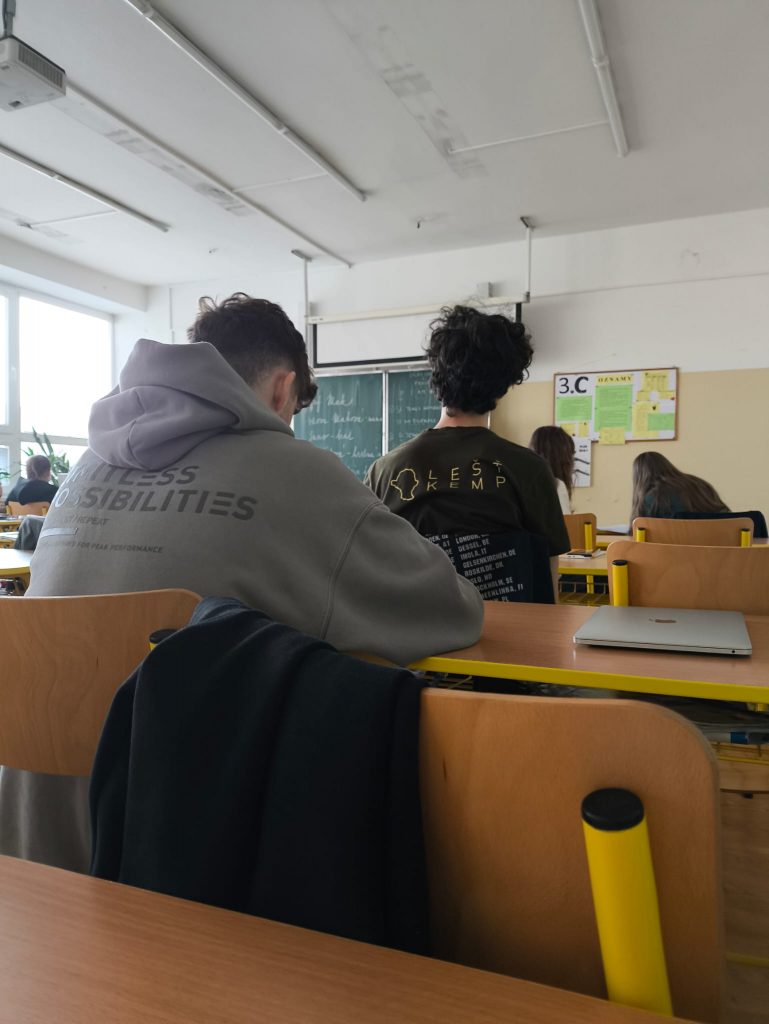
Participamos en diferentes clases durante nuestra estancia en Eslovaquia. Asistimos a varias clases de español como lengua extranjera donde conversamos y debatimos con los alumnos sobre diferentes temas. Conversamos sobre diferencias culturales entre España y Eslovaquia y participamos en entrevistas orales con los alumnos, lo que nos permitió intercambiar experiencias.
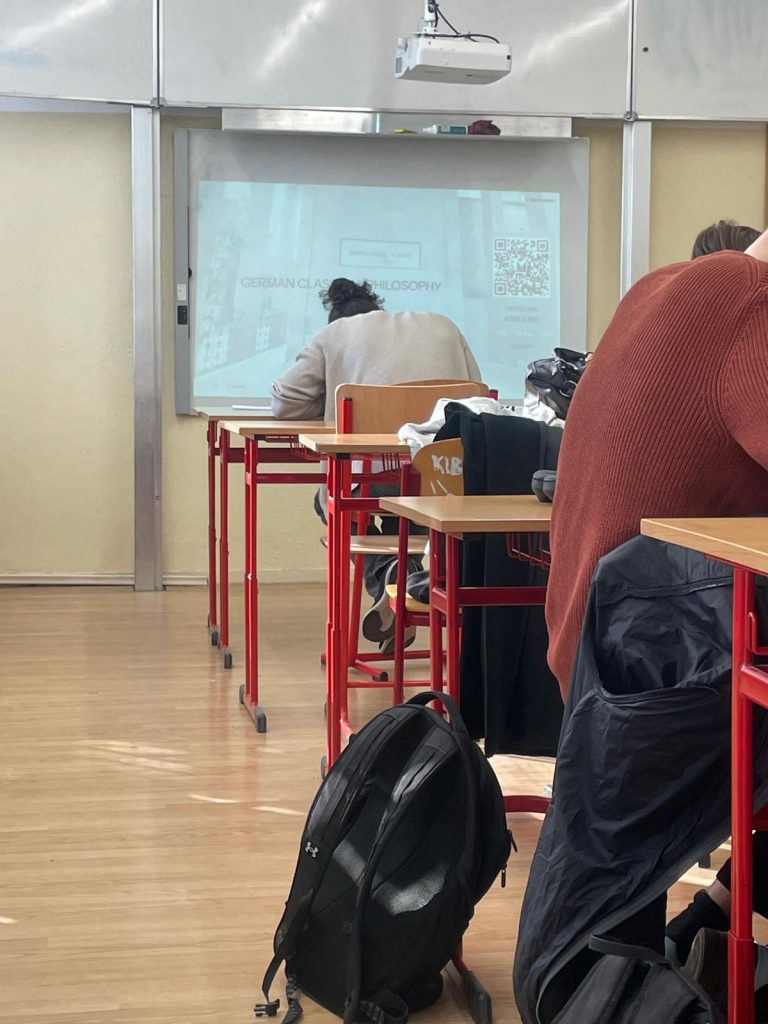
También asistimos a clases de Sociología y Filosofía en inglés con alumnos universitarios más mayores donde observamos el desarrollo y funcionamiento de las clases a un nivel diferente.
¿Habéis encontrado mucha diferencia con el sistema educativo español?
En términos generales sí. La diferencia principal es la estructuración de los cursos académicos. Nos sorprendió mucho encontrar alumnos de universidad junto a alumnos de secundaria.
También observamos una mayor presencia del inglés a nivel general, con varias asignaturas impartidas en inglés, así como en el día a día de los alumnos.
Otra diferencia destacable fue el ambiente en el aula y la relación entre alumnado y profesorado, que nos pareció más flexible que en España. Sin embargo, también nos pareció que la relación era menos cercana y, por lo general, el ambiente era menos participativo que el que vivimos habitualmente en nuestra experiencia personal docente.
¿Recomendaríais esta experiencia a otro docente? ¿Por qué?
Sí, recomendaríamos totalmente esta experiencia a otros docentes. Participar en el programa nos ha hecho conocer el funcionamiento de otros centros educativos, así como descubrir diferentes metodologías, técnicas y actividades aplicables en el aula.
Además de los profesional, esta experiencia también supone un gran aprendizaje personal ya que nos brinda la oportunidad de descubrir nuevas formas de entender la educación y aprender de docentes de otros países con los que compartir experiencias e ideas.
Teachers from the institute travel to Slovakia to learn about another education system
In mid-March, two teachers from our school, Ana Julia Gavilán and María Luisa Aparicio, from the Philosophy and English departments respectively, came back from a job shadowing experience at Bilicova School in Bratislava as part of the ERASMUS+ programme. After their return, we spoke with them about how the experience had gone:
What is a job shadowing experience like?
It is a mobility programme in which teachers visit schools in other countries to check and see how classes are taught and how different educational centres work on a daily basis.
What kind of classes did you take part in?
We participated in different classes during our stay in Slovakia. We attended several Spanish as a foreign language lessons, where we talked with students about different topics. We discussed cultural differences between Spain and Slovakia and participated in oral interviews with the students. We also attended Sociology and Philosophy classes taught in English with older university students, where we saw how lessons were organised and developed at a different academic level.
Did you notice any differences compared to the Spanish education system?
In general, yes. The main difference was the organisation of the academic system. We were very surprised to see university students studying alongside secondary school students. We also noticed a much stronger presence of English overall, with several subjects taught in English as well as in students’ everyday life. In addition, the classroom atmosphere and the relationship between students and teachers was another significant difference, which seemed more flexible than in Spain. However, we also felt that the relationship was less close and that, in general, the classroom environment was less participative than what we are personally used to in our own experience.
Would you recommend this experience to other teachers? Why?
Yes, we would absolutely recommend this experience to other teachers. Taking part in the programme allowed us to learn about how other schools work, as well as discover different methodologies, techniques and activities that can be applied in our own teaching practice. Beyond the professional part, this experience was also a great opportunity for personal growth, as it gave us the opportunity to discover new ways of understanding education and to learn from teachers from other countries.